
Innovation
I’m Done with Under-Display Fingerprint Scanners

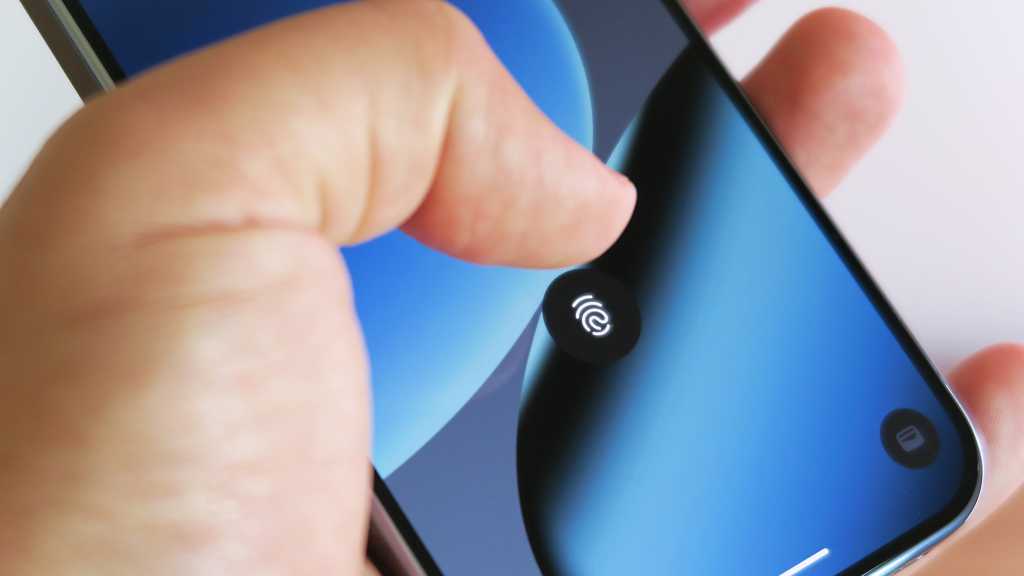
Two months ago, I reluctantly switched to the Galaxy Z Fold 7.
It was a decision overwhelmingly motivated by software, with Samsung’s One UI 8 offering some key features that helped me tame my doomscrolling.
But the expected compromises compared to non-folding smartphones weren’t particularly appealing, including the loss of an under-display fingerprint sensor.
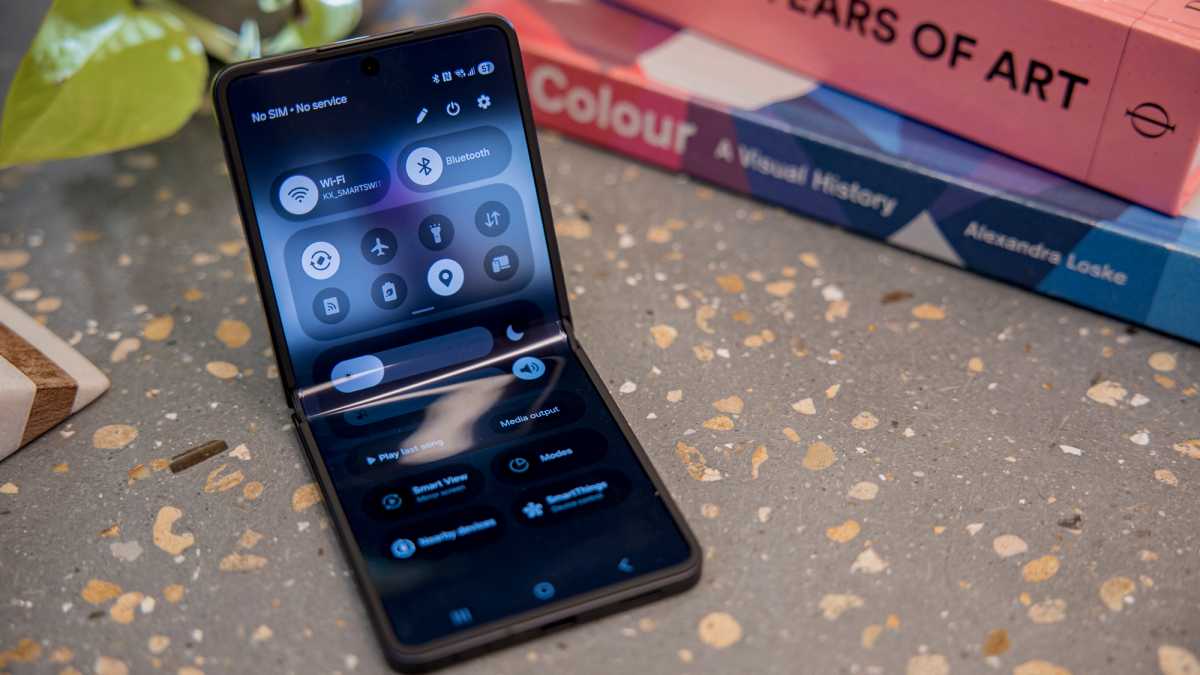
The dual-screen design of book-style foldables makes this highly impractical, with the Galaxy Z Fold 7 integrating a physical one into the power button instead.
However, far from being a downgrade, the fingerprint sensor has made unlocking my phone, logging into apps and authenticating payments a breeze. Compared to my rage-inducing experience with some under-display versions, it’s been a breath of fresh air.
Mattias Inghe
It’s prompted a wider question: when physical sensors are still so much better, why are we persisting with under-display ones? In the eight years since they were first introduced, progress has been incredibly slow.
After using the Galaxy Z Fold 7 for more than a couple of months, I’m convinced that it’s time to ditch under-display fingerprint scanners on all phones – not just foldables and cheaper models. Here are five key reasons why.
Under-display sensors are simply not good enough
If under-display fingerprint scanners were just as fast and reliable as physical ones, there’d be no contest. The convenience of having it right there in front of you is unmatched.
But that couldn’t be further from reality.
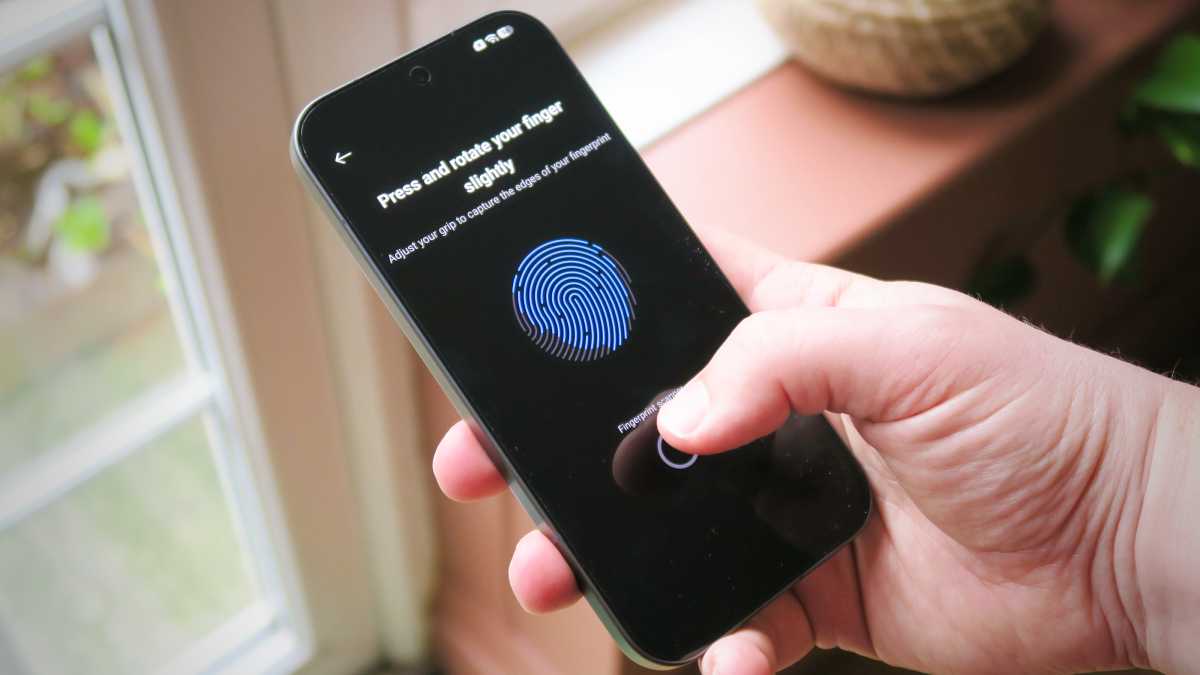
As someone who’s reviewed dozens of Android phones in the last few years, I’ve tested more than my fair share of scanners. Reliability varies hugely, with some unlocking my phone less than half the time and others closer to 90%. But my message is clear: you can’t trust them.
…if your fingers are a bit sweaty, or god forbid, you spill water on your screen, you can basically forget about getting into your phone
Foundry | Alex Walker-Todd
Also, if your fingers are a bit sweaty, or god forbid, you spill water on your screen, you can basically forget about getting into your phone. These issues have been going on for years, but in my experience, no company has properly addressed them.
Ultrasonic scanners are generally faster and more reliable than optical, but I’ve had plenty of issues with those, too. I simply can’t rely on them, especially if I need to get into my phone quickly.
It also proves a major headache when authenticating payments, logging into apps or even accessing passwords. This sub-par experience is a regular pain point whenever I use an Android phone, and I don’t see that changing anytime soon.
Apple’s snub speaks volumes
Given these issues, it’s perhaps no surprise that Apple has totally avoided under-display fingerprint sensors so far.
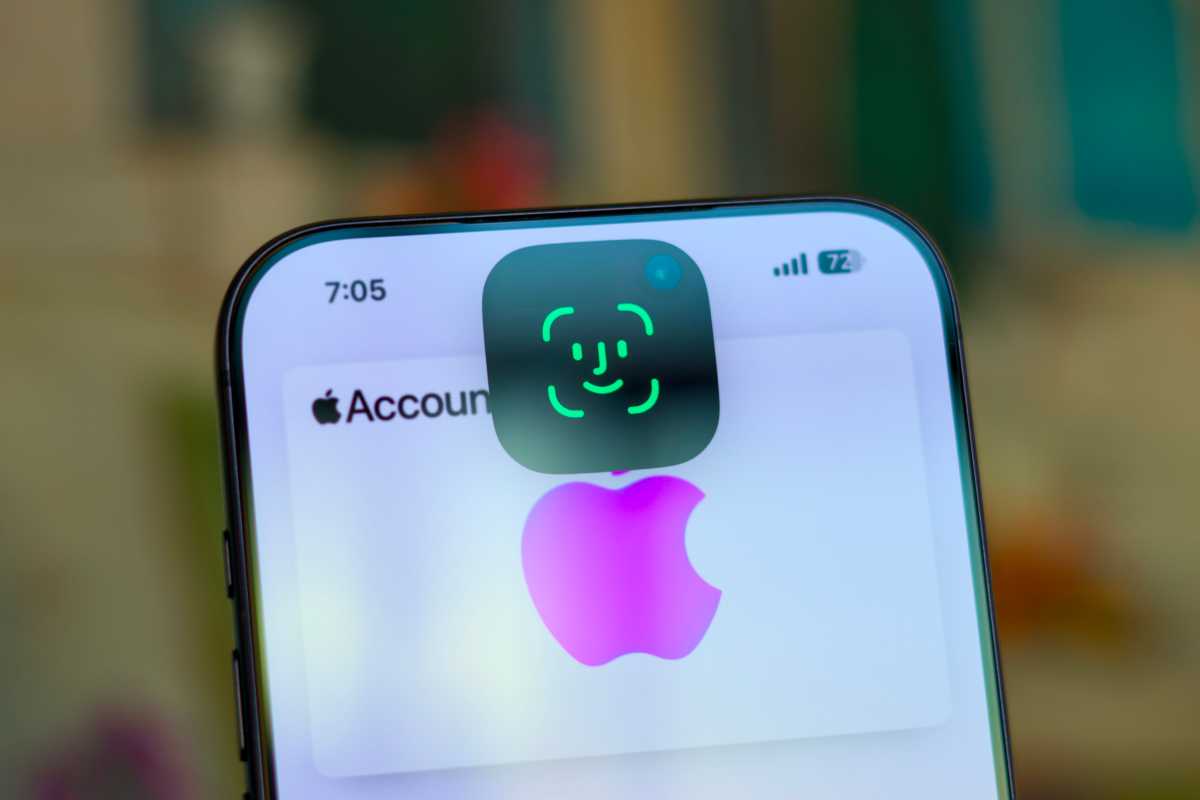
After ditching the Touch ID physical fingerprint scanner on the front of the iPhone in 2017, Apple replaced it with a secure 3D face unlock method known as Face ID. The rest, as they say, is history.
But rather than coming late to the party with a better under-display fingerprint sensor (as is often the way) down the line, Apple has avoided ever introducing one.
When Face ID provides a fast, secure alternative that works even in the dark, there’s little incentive to supplement it with a subpar alternative
Mahmoud Itani / Foundry
It’s clear that they’ve never reached the quality required for Apple to introduce it. When Face ID provides a fast, secure alternative that works even in the dark, there’s little incentive to supplement it with a subpar alternative.
When Apple introduced an updated version of Touch ID for some iPad models, it chose to integrate it into the power button rather than under the display. It aligns with the company’s long-standing ‘it just works’ motto, which certainly can’t be said for in-screen scanners.
Apple isn’t right about everything, of course, but I think the Android phone market really needs to follow its lead here.
Secure face unlock is more popular than ever
The fact that the iPhone has never had an under-display fingerprint sensor speaks to the efficacy of modern face unlocking methods.
Face ID goes far beyond a basic face unlock, which can often be fooled by photos or people with a similar appearance (such as twins). Instead, it uses an infrared camera to project thousands of dots onto your face to create a detailed map, making it much more secure and reliable.
For a long time, this was the only face unlock of its kind on smartphones, but Android phone makers are finally starting to catch up.
Chris Hall / Foundry
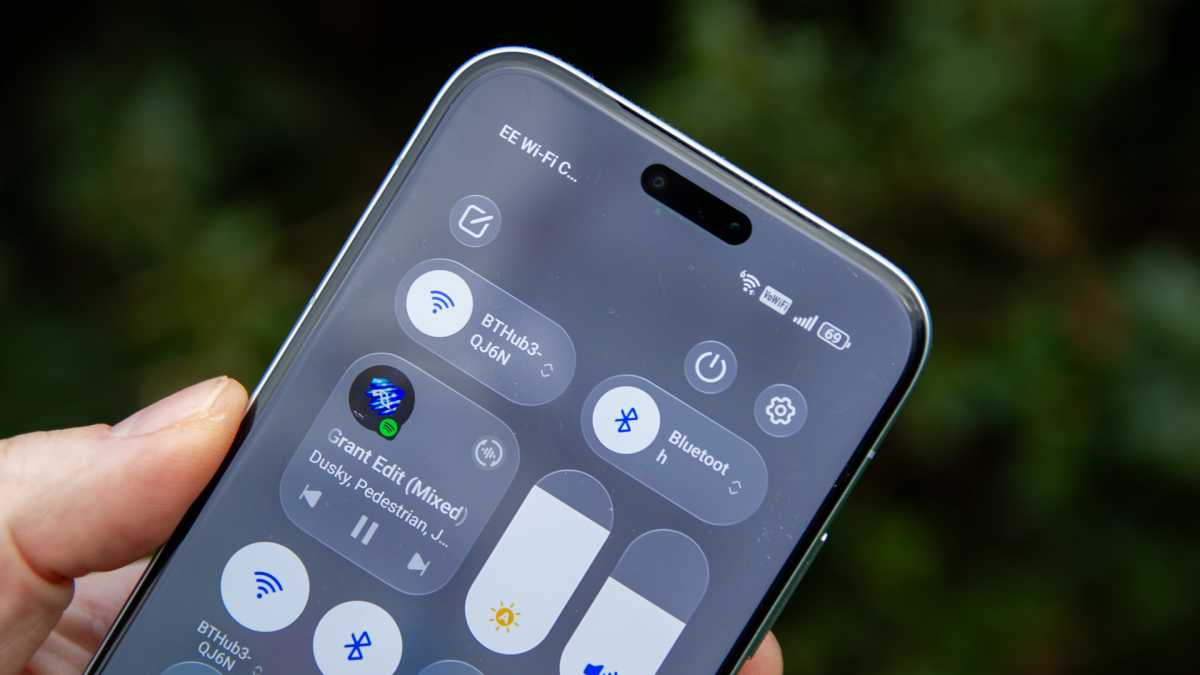
The likes of the Honor Magic 8 Pro and Oppo Find X9 Pro utilise similar technology to Apple. Google’s approach since the Pixel 8 is slightly different, but still secure enough to replace fingerprint scanners for logging into banking apps and authenticating payments.
With more options popping up all the time, it’s possible that fingerprint scanners of all types could become obsolete on phones soon. And in the meantime…
Physical scanners can be impressively discreet
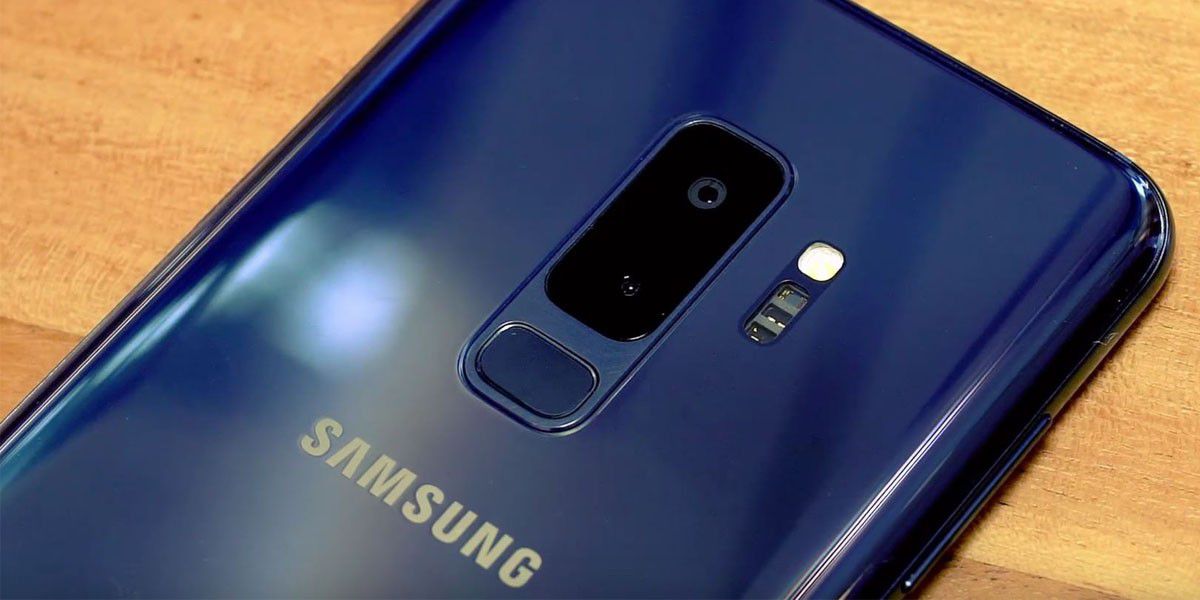
A decade ago, if your phone had a fingerprint scanner, the whole world knew about it. The iPhone’s Touch ID stared at you in the face from below the screen, while the likes of LG, Motorola and Samsung tried various positions on the back.
Understandably, this prominent design was divisive, flying in the face of a minimalist aesthetic. But the days when this was necessary are long gone.
Foundry
For many years, companies have been integrating their fingerprint sensors into the power buttons, allowing them to seamlessly blend into the phones’ designs. As a bonus, it’s often located where you’d naturally rest your finger anyway, avoiding the need for any finger gymnastics to reach it.
I don’t expect anyone to ditch the power button anytime soon, meaning it’s a valid long-term option that fades into the background when you don’t need it. By contrast, under-display scanners are often much harder to ignore.
There’s significant cost-saving potential
In 2026, pricing is a hot topic on phones. The ongoing global RAM shortage, driven by huge demand from AI datacentres, is driving up prices and putting huge pressure on manufacturers.
As a result, we’ve seen many phones launch with increased price tags, very minimal upgrades, or both. In Samsung’s case, it could even raise prices on models that are already available.
Dominik Tomaszewski / Foundry
Companies are on the lookout to save money on manufacturing costs wherever they can. Ditching under-display sensors for their physical counterparts is an easy way to do this, with Intel Market Research suggesting it’s 25-30% cheaper.
Making this simple switch would allow companies to save significant money while upgrading the overall experience. It’s a no-brainer.
The sunk-cost fallacy
Eight years after they were introduced, under-display fingerprint sensors continue to flatter to deceive. While they’re slick and highly impressive when they work, all too often they’re beset with reliability issues that force people to look for alternatives.
With great alternatives available in the form of physical sensors and secure face unlocking methods, there’s no need to persist with a technology that’s more expensive and less trustworthy.
I totally understand the appeal, and it was only right for manufacturers to experiment for a few years. But it’s clear that the technology is going nowhere fast, so now is the time to give up.
If under-display fingerprint sensors do ever get phased out, I certainly won’t be mourning their loss when the alternatives make so much more sense.

Traders are skeptical of Iran timeline for Strait of Hormuz reopening

Up to 4.01% APY return

generate a new title from Exploring the Benefits of AI Bots for Forex Trading in Forex Markets

generate a new title from Anthropic launches Cowork, a Claude Desktop agent that works in your files — no coding required

generate a new title from Google folds Display Ads into AI-first Demand Gen platform

generate a new title from Salesforce rolls out new Slackbot AI agent as it battles

generate a new title from NBA plans AI system for automatic out-of-bounds calls

generate a new title from Listen Labs raises $69M after viral billboard hiring stunt to scale AI customer interviews
generate a new title from Salesforce rolls out new Slackbot AI agent as it battles
Traders are skeptical of Iran timeline for Strait of Hormuz reopening

generate a new title from Google just redesigned the search box for the first time in 25 years

GitHub confirms 3,800 internal repos stolen through poisoned VS Code extension as supply chain worm hits Microsoft’s Python SDK
generate a new title from Anthropic launches Cowork, a Claude Desktop agent that works in your files — no coding required

The attack dominating financial services doesn't steal passwords. It resets MFA and steals the token.
Up to 4.01% APY return

Arla-DMK merger to proceed after EU green light
-
 AI1 day ago
generate a new title from Salesforce rolls out new Slackbot AI agent as it battles
-
 Finance1 day ago
Traders are skeptical of Iran timeline for Strait of Hormuz reopening
-
 AI1 day ago
generate a new title from Anthropic launches Cowork, a Claude Desktop agent that works in your files — no coding required
-
 Tech1 day ago
GitHub confirms 3,800 internal repos stolen through poisoned VS Code extension as supply chain worm hits Microsoft’s Python SDK
-
 Investments1 day ago
generate a new title from Google just redesigned the search box for the first time in 25 years
-
 Tech1 day ago
The attack dominating financial services doesn't steal passwords. It resets MFA and steals the token.
-

 Investments1 day ago
Why Wall Street is buzzing again about David Solomon’s DJ side gig
-

 Finance1 day ago
Google employee polymarket insider trading
